
You notice one tiny corner of your window tint starting to lift.
At first, it doesn’t seem like a big deal. Then that little edge gets larger, starts collecting dust, or catches every time you roll the window up and down.
So, why does window tint peel around the edges — and can you fix it before it gets worse?
Peeling window tint can happen for several reasons, including age, adhesive failure, contamination, improper installation, or repeated contact with the window seals. Once tint has started separating from the glass, however, simply pushing it back down usually isn’t a permanent fix.
Here’s what Massachusetts drivers should know if their window tint is beginning to peel.
Why Does Window Tint Start Peeling?
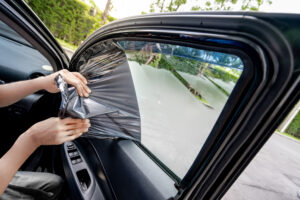
Automotive window tint is designed to adhere smoothly to the interior surface of your vehicle’s glass.
Over time, though, that bond can begin to fail.
Common reasons window tint may start peeling include:
- Aging or deteriorating film
- Adhesive beginning to fail
- Improper installation
- Contamination between the film and glass
- Damage near the edge of the film
- Repeated friction from window seals
- Someone picking or pulling at an already loose edge
Sometimes the problem starts in one tiny spot. Once the edge of the film is no longer securely attached to the glass, it becomes easier for dirt, moisture, and movement to make the separation worse.
Why Does Tint Often Peel at the Top of the Window?
If the peeling is happening on a side window, the location isn’t necessarily random.
Every time you roll the window up and down, the top portion of the glass moves through the vehicle’s window seals.
Properly installed film should account for the movement of the glass, but a compromised or poorly adhered edge can potentially catch or experience repeated friction.
Once that edge begins lifting, normal use of the window can make the problem more noticeable.
This is also one reason you should be careful with newly installed tint while it’s still curing.
Is Peeling Normal Right After Window Tinting?
Newly installed tint may temporarily show some moisture or a slightly hazy appearance as it dries, depending on the film and installation conditions.
An edge that is clearly lifting away from the glass is different.
If you recently had your windows tinted and notice an edge peeling, don’t start pulling at it or trying random DIY fixes.
Contact the installer and ask them to take a look.
And remember: newly installed film needs time to cure. Rolling your windows down too soon after installation can potentially interfere with the film before it has had adequate time to set.
Does Peeling Mean the Window Tint Is Bad?
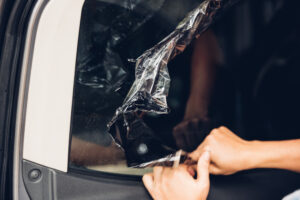
Not necessarily, but it does mean something isn’t right in that area.
A small section of lifting film doesn’t automatically tell you why it happened.
If the tint is relatively new, the issue may be related to installation or adhesion.
If the film has been on your vehicle for years and is also bubbling, fading, discoloring, or becoming cloudy, peeling may simply be another sign that the tint is reaching the end of its useful life.
The overall condition of the film matters when deciding whether it’s worth addressing one small area or replacing the tint.
Can You Glue Peeling Window Tint Back Down?
Please don’t reach for the super glue.
Household adhesives aren’t designed to repair automotive window tint and could leave you with damaged film, messy residue, or a much more difficult removal job later.
Pressing a loose edge back against the glass may make it temporarily less noticeable, but it doesn’t necessarily solve the underlying reason the film stopped adhering.
If dirt or contamination has already gotten underneath the film, simply sticking it back down won’t make that contamination disappear either.
A professional can evaluate whether there’s a reasonable correction or whether replacement is the better option.
Can You Cut Off the Peeling Part of Window Tint?
This can sound like an easy solution: if one little piece is peeling, why not just cut it off?
The problem is that cutting the film doesn’t address the failed edge.
It can also leave an uneven or visibly altered tint line and potentially create another exposed edge that can begin lifting.
If you’re trying to preserve the appearance of your tint, randomly trimming it with a blade isn’t usually the best strategy.
And using sharp tools around automotive glass requires additional caution, especially on a rear window containing defroster lines.
Will Peeling Window Tint Keep Getting Worse?
It can.
Once part of the film has separated from the glass, the exposed area can collect dust and debris.
The loose film may also be disturbed when you clean the glass, roll down the window, or accidentally catch the edge.
How quickly it progresses depends on what’s causing the problem and the condition of the film.
But if you notice peeling, it’s better to address it while it’s still a small problem rather than waiting until a large section of tint is hanging off the window.
Can Cold Massachusetts Weather Cause Window Tint to Peel?
Temperature can affect window tint installation and curing, but cold weather alone doesn’t necessarily mean properly installed tint will begin peeling.
The bigger concern is making sure film is installed under appropriate conditions and allowed enough time to cure.
Massachusetts vehicles also experience significant seasonal changes — from hot summer sun to freezing winter temperatures.
Using quality automotive film, proper installation techniques, and appropriate aftercare can all contribute to how well tint performs over time.
What If My Tint Is Peeling and Bubbling?
Multiple symptoms can point toward a larger problem with the film.
If your tint is peeling at the edges and developing bubbles across the window, the film or adhesive may be deteriorating.
We have a full guide explaining why window tint bubbles and when it’s time to replace it if you’re seeing both problems.
Trying to repair multiple areas of failing tint may not make sense if the film itself is already deteriorating.
In that situation, removing the old film and starting with properly prepared glass may produce a better result.
What If My Peeling Tint Is Also Turning Purple?
Purple or noticeably discolored tint can be another sign of aging film.
Certain older or lower-quality dyed films can change appearance as they deteriorate after prolonged exposure.
If your tint is simultaneously peeling, bubbling, and changing color, you may be looking at more than an isolated loose edge.
Our guide on why window tint turns purple explains why that discoloration happens and when replacement may be worth considering.
Can You Put New Tint Over Peeling Tint?
Peeling tint shouldn’t simply be covered with another layer to hide the problem.
The existing film has already started separating from the glass.
Adding another layer doesn’t repair the failing film underneath it and could leave you with visible imperfections.
If the old tint needs replacement, it generally makes more sense to remove the deteriorating film, clean and prepare the glass, and then evaluate the window for new tint.
You can also read our guide on whether you can tint over existing window tint for a deeper look at why layering film isn’t always the shortcut it seems to be.
When Should Peeling Window Tint Be Replaced?
Replacement may be worth considering when the peeling is significant, continues to spread, or appears alongside other signs of deterioration.
Look at the tint as a whole.
Is it still clear and consistent?
Or are you also seeing bubbles, discoloration, scratches, haziness, or adhesive problems?
The age and condition of the film can help determine whether you’re dealing with one isolated issue or tint that’s simply ready to be replaced.
Professional Window Tint Removal and Replacement in Massachusetts
That tiny peeling corner might not stay tiny forever.
If your vehicle’s window tint is lifting, bubbling, fading, or showing other signs of deterioration, Massachusetts Car Detailing can help evaluate the condition of your existing film and determine whether removal and replacement makes sense.
Proper removal is especially important when old adhesive or rear-window defroster lines are involved. Once the old film is removed and the glass is properly prepared, new professional window tint can restore a clean, consistent appearance.
Contact Massachusetts Car Detailing today to learn more about professional window tint removal and replacement in Massachusetts.