
If you’ve been researching ways to protect your vehicle’s paint, chances are you’ve come across ceramic coating. It’s one of the most popular upgrades for vehicle protection today — especially for Massachusetts drivers dealing with harsh weather, road salt, coastal air, UV exposure, and daily wear and tear.
But one of the biggest questions people still ask is simple:
What does ceramic coating actually protect against?
The answer is: quite a lot. While ceramic coating is not a magical shield that makes your vehicle indestructible, it does provide a powerful layer of long-term protection that helps preserve your vehicle’s appearance, paint quality, and overall value.
Here’s what ceramic coating really protects your vehicle from — and why more Massachusetts drivers are investing in it year-round.
What Is Ceramic Coating?
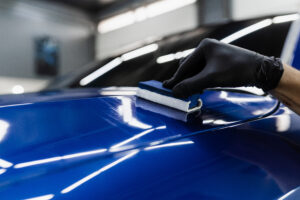
Ceramic coating is a liquid polymer applied to the exterior surfaces of a vehicle. Once cured, it chemically bonds with the factory paint to create a durable, hydrophobic protective layer.
Unlike traditional waxes or sealants that wear off quickly, professional ceramic coatings are designed to last for years with proper maintenance.
The coating creates a slick, glossy surface that helps repel water, dirt, contaminants, and environmental damage while making the vehicle easier to clean and maintain.
Protection Against UV Rays and Oxidation
One of the biggest threats to your vehicle’s paint is constant sun exposure.
Even in Massachusetts, UV rays can slowly break down your vehicle’s clear coat over time. This process leads to:
- paint fading
- dullness
- oxidation
- discoloration
- loss of gloss
Dark-colored vehicles are especially vulnerable because they absorb more heat and sunlight.
Ceramic coating acts as a protective barrier between your paint and UV exposure. While no product can completely stop sun damage forever, ceramic coating significantly slows the oxidation process and helps maintain the deep gloss and richness of your paint much longer.
This is especially beneficial for vehicles parked outdoors daily.
Protection From Road Salt
Massachusetts winters can be brutal on vehicles.
Road salt and de-icing chemicals are extremely corrosive and can damage:
- paint
- wheels
- undercarriages
- trim
- metal components
When salt sits on your vehicle for extended periods, moisture and chemicals begin eating away at surfaces and accelerating corrosion.
Ceramic coating helps by creating a protective barrier that reduces direct contact between contaminants and your paint. Salt and grime have a harder time bonding to the surface, making the vehicle easier to rinse clean during winter months.
This is one of the main reasons many New England drivers choose ceramic coating before winter begins.
Protection Against Bird Droppings and Bug Splatter
Bird droppings and bug remains are more damaging than most people realize.
Both contain acidic compounds that can quickly etch into clear coat if left untreated — especially during hot weather.
Without protection, these contaminants can leave behind permanent stains or etched marks in the paint.
Ceramic coating creates a sacrificial layer that helps minimize direct damage to the clear coat underneath. Contaminants are easier to remove and less likely to bond aggressively to the surface.
That said, it’s still important to clean bird droppings promptly. Ceramic coating improves resistance, but it does not make your paint invincible.
Protection From Water Spots
Hard water spots are a common issue throughout Massachusetts, especially after rain, sprinklers, or improper washing techniques.
Minerals in water can dry onto the paint and leave behind stubborn spotting that becomes difficult to remove over time.
Because ceramic coatings are highly hydrophobic, water beads and rolls off the surface more effectively instead of sitting and evaporating. This reduces the likelihood of mineral deposits bonding to the paint.
The result:
- fewer water spots
- easier drying
- easier maintenance
- cleaner appearance between washes
Protection Against Dirt and Road Grime
One of the most noticeable benefits of ceramic coating is how much cleaner your vehicle stays.
The slick surface created by the coating makes it harder for:
- dirt
- mud
- pollen
- dust
- road grime
- brake dust
to stick to the vehicle.
This means your car not only looks cleaner longer, but washing becomes significantly easier.
Massachusetts drivers especially appreciate this during:
- winter slush season
- spring pollen season
- rainy months
- coastal driving conditions
Less buildup on the surface also means less aggressive scrubbing during washes, which helps reduce the chance of introducing swirl marks over time.
Protection From Minor Chemical Contaminants
Vehicles are exposed to countless airborne contaminants every day, including:
- industrial fallout
- acid rain
- tree sap
- fuel residue
- pollution
- brake dust
Over time, these contaminants can bond to paint and slowly degrade the finish.
Ceramic coating adds resistance against many chemical contaminants by preventing them from directly bonding to the clear coat as easily.
Tree sap, for example, is much easier to remove from a coated vehicle compared to untreated paint.
Protection Against Light Surface Scratches and Swirl Marks
One of the biggest misconceptions about ceramic coating is that it makes your vehicle scratch-proof.
That is not true.
However, ceramic coating can help reduce the appearance of very light swirl marks and minor surface marring caused by:
- improper washing
- microfiber friction
- light contact
- dust wiping
Professional coatings add a harder surface layer compared to bare clear coat, which provides some resistance to extremely minor imperfections.
Still, ceramic coating will not protect against:
- deep scratches
- rock chips
- dents
- accidents
- automatic car wash damage
Proper maintenance is still extremely important.
Protection Against Coastal Air and Humidity
For drivers near the Massachusetts coastline, salt air and humidity can accelerate wear on vehicle surfaces.
Coastal conditions expose vehicles to:
- airborne salt
- moisture
- oxidation
- environmental contamination
Ceramic coating helps reduce prolonged exposure by adding another protective layer between the environment and the paint.
This is especially helpful for drivers in:
- Boston coastal areas
- South Shore communities
- Cape Cod
- waterfront environments
Easier Vehicle Maintenance
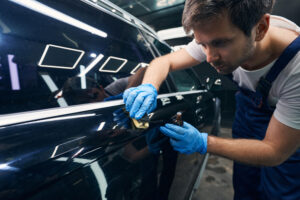
One of the biggest long-term benefits of ceramic coating is simply how much easier it makes maintaining your vehicle.
Because contaminants do not stick as aggressively:
- washes take less time
- drying is easier
- less scrubbing is needed
- vehicles maintain gloss longer
- maintenance costs may decrease over time
For busy drivers, this convenience alone often makes ceramic coating worthwhile.
What Ceramic Coating Does NOT Protect Against
It’s important to have realistic expectations.
Ceramic coating is an excellent protective solution, but it is not bulletproof.
Ceramic coating does NOT fully protect against:
- rock chips
- deep scratches
- collision damage
- vandalism
- improper washing
- automatic brush car washes
- severe paint defects
For maximum impact protection, many vehicle owners combine ceramic coating with paint protection film (PPF).
Is Ceramic Coating Worth It?
For many Massachusetts drivers, absolutely.
Between harsh winters, road salt, UV exposure, coastal weather, and daily commuting, vehicles in New England face constant environmental stress.
Ceramic coating helps:
- preserve paint quality
- maintain gloss
- simplify maintenance
- improve long-term appearance
- protect resale value
Whether you drive a brand-new vehicle, luxury car, truck, SUV, or daily commuter, ceramic coating provides long-lasting protection that traditional wax simply cannot match.
Final Thoughts
Ceramic coating protects your vehicle against many of the everyday elements that slowly wear down automotive paint over time.
From UV rays and road salt to bird droppings, water spots, dirt, and chemical contaminants, ceramic coating creates a durable barrier that helps keep your vehicle cleaner, shinier, and better protected throughout the year.
While it is not a replacement for proper maintenance or safe driving, it is one of the best long-term investments you can make to preserve your vehicle’s appearance — especially in Massachusetts’ demanding climate.