
Massachusetts summers have a reputation for being short. What they don’t have a reputation for — but absolutely should — is being brutally hot inside a car.
Any South Shore driver who has opened a car door after it’s been parked in a Weymouth parking lot or a Hingham marina for a few hours in July knows exactly what we’re talking about. That wall of trapped heat. The steering wheel you can’t touch. The seatbelt buckle that could brand you. The AC running on full blast for the first five minutes just to make the cabin breathable.
Window tinting fixes this. Not partially — genuinely, meaningfully, noticeably fixes it. And summer is not just a good time to get it done — it’s the time when you’ll feel the difference every single day.
Here’s why.
Massachusetts Summers Are Hotter Than People Think
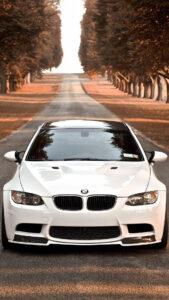
New England doesn’t get the same reputation as Florida or Arizona for heat — and that creates a dangerous complacency about how hot cars actually get here.
The truth is that interior vehicle temperatures are determined far more by sunlight intensity than by outside air temperature. On a 75°F partly cloudy Massachusetts summer day, the interior of a car parked in direct sun can reach 120°F or higher within an hour. On a genuinely hot 90°F South Shore afternoon, interior temperatures can exceed 150°F.
That heat isn’t just uncomfortable — it’s actively damaging your vehicle’s interior. Dashboard materials crack and warp. Leather dries, fades, and cracks. Vinyl loses suppleness. Adhesives in trim pieces soften and fail. Electronics degrade faster. And every time you drive in that heat, you and your passengers are absorbing UV radiation through the glass.
Massachusetts UV index readings in June, July, and August regularly hit 7–9 — the range classified as high to very high. Regular car glass blocks almost no UV radiation. You’re essentially sitting in a greenhouse.
What Window Tinting Actually Does in Summer
There’s a common misconception that window tinting is mostly about aesthetics — making a car look sleeker. That’s part of it. But the functional benefits of quality window tinting in a Massachusetts summer are significant and immediately noticeable.
Heat Rejection — The Most Immediate Benefit
Quality window tint — particularly ceramic tint — rejects solar heat before it enters the cabin. Rather than letting infrared radiation pass through the glass and heat up the interior, ceramic film reflects it away.
The practical result: a tinted car parked in direct summer sun for two hours is dramatically cooler inside than an untinted car in the same spot. Rather than opening the door to 150°F, you open it to something much closer to manageable. Your AC reaches a comfortable temperature faster, runs less hard, and uses less fuel doing it.
For South Shore drivers who park outside at work, at the beach, at the marina, or in shopping center lots — this is a real, daily quality-of-life improvement every single summer day.
UV Blocking — Protecting You and Your Interior
Window glass on its own blocks very little UV radiation. Quality window tint blocks up to 99% of UV rays — the same radiation that causes sunburn, accelerates skin aging, and increases skin cancer risk.
This matters more than most drivers realize. A 30-minute commute each way adds up to roughly 250 hours of UV exposure per year for a regular commuter. Your left arm and the left side of your face — the driver’s side — receive significantly more UV than the rest of your body. Dermatologists have documented higher rates of skin damage and skin cancer on the driver’s side of the body specifically because of this.
Quality window tint essentially puts SPF protection on your windows. For South Shore commuters, parents driving kids around, and anyone who spends meaningful time in their car, this is a genuine health benefit.
For your car’s interior, UV protection means your dashboard doesn’t crack, your seats don’t fade, your leather doesn’t dry out, and your trim materials last significantly longer. Interior UV damage is cumulative — every summer it gets worse without protection.
Glare Reduction — A Real Safety Benefit
If you drive on the South Shore in summer, you know the glare. The afternoon sun sitting low over the water. The reflection off wet asphalt after a rain. The way the July sun hits Route 3 in the late afternoon at exactly the wrong angle.
Window tint reduces this glare significantly — making driving genuinely safer rather than just more comfortable. Less squinting. Less eye strain. Better visibility of the road and other vehicles during the glare-intense periods of morning and evening commutes.
Protecting Beach Gear, Car Seats, and Valuables
South Shore summers mean beach bags, kids’ car seats, groceries, sports equipment, and everything else living in the back of the car. Extended UV and heat exposure degrades all of it faster. Plastic car seat components warp and weaken in extreme heat. Perishable items in the back get compromised faster. Electronics left in the car heat up to the point of damage.
Tint reduces the intensity of the greenhouse effect inside your vehicle — protecting everything in it, not just the interior surfaces.
Why Summer Specifically Is the Best Time to Book
Any time of year is a good time to get window tinting in Massachusetts. But summer has specific advantages that make it the peak season for a reason:
You feel the benefit immediately. Getting tinted in June means you spend the entire summer — June, July, August, into September — with the full benefit of heat rejection and UV protection. Every hot day from the moment you leave our shop, you’re in a cooler, more comfortable vehicle.
Tint cures better in warm weather. Window tint adhesive cures through a combination of time and warmth. Installations in summer cure faster and more completely than those done in cold weather, leading to better long-term adhesion and results.
Your interior hasn’t accumulated another year of UV damage yet. Getting tinted early in summer means you’re protecting your interior before peak UV exposure rather than after. Every summer without tint adds more fade, more cracking, more degradation to your dashboard and seats.
It’s the most requested time of year — book early. Window tinting appointments fill up fast in May and June on the South Shore. If you’re thinking about it, the best time to book is before the summer heat hits — not after two months of sitting in an oven every day and finally deciding you’ve had enough.
The South Shore Summer Case for Ceramic Tint Specifically
Not all window tint performs equally in Massachusetts summer conditions — and the difference matters.
Dyed tint provides some UV blocking and moderate light reduction. It does relatively little for heat rejection because it absorbs rather than reflects solar energy. On a 90°F South Shore afternoon, the improvement in cabin temperature is modest.
Carbon tint is better — it provides meaningful heat rejection and good UV protection without the fading issues of dyed film.
Ceramic tint is in a different category. Ceramic film uses nano-ceramic particles that reflect infrared radiation rather than absorbing it. The heat rejection performance is dramatically superior to dyed or carbon film — making a genuinely noticeable difference in cabin temperature on hot days. Ceramic also blocks up to 99% of UV, doesn’t fade or purple over time, and is warranted to last the life of the vehicle.
For Massachusetts drivers who experience real summer heat, ceramic tint is the investment that pays back every single day from June through September — and continues protecting your interior year-round.
Massachusetts Tint Laws: What You Need to Know Before You Book
Before booking, it’s worth knowing the basics of Massachusetts window tint law so you’re getting tinted legally and won’t have issues at your annual inspection.
Massachusetts requires all tinted windows to allow at least 35% visible light transmission (VLT) — meaning no more than 65% of light can be blocked. This applies to front side windows, rear side windows, and the rear window equally.
On the windshield, only a non-reflective tint strip on the top 6 inches (or to the AS-1 line) is permitted.
At Massachusetts Car Detailing, every installation is performed to Massachusetts legal specifications. You won’t have to worry about failing inspection or getting pulled over. For the full legal breakdown, see our guide: Is Window Tinting Legal in Massachusetts? The Complete 2026 Guide
Book Your Summer Window Tinting Appointment in Rockland, MA
Summer appointments fill up fast. If you’re thinking about getting tinted before the hottest months hit — or if you’ve already been sweating through a few weeks of Massachusetts summer and you’re done waiting — give us a call or book online.
We serve Rockland and the entire South Shore including Weymouth, Hingham, Norwell, Hanover, Braintree, Scituate, Marshfield, Duxbury, Plymouth, and surrounding communities.
Book your window tinting appointment today →
Frequently Asked Questions
How much cooler will my car actually be with window tint? With quality ceramic tint, interior temperatures on hot summer days can be reduced by up to 60% compared to untinted glass. The practical difference is dramatic — a car that would reach 150°F untinted might stay closer to 100°F with ceramic tint in the same conditions. You’ll notice it immediately the first time you get in a tinted car on a hot day.
Does window tinting help with AC performance? Yes — directly. Less solar heat entering the cabin means your AC doesn’t have to work as hard or run as long to reach a comfortable temperature. Over a summer of regular driving, this translates to real fuel savings and reduced wear on your AC system.
Will tinting make my car too dark inside? At the legal Massachusetts minimum of 35% VLT, the interior feels slightly dimmer in bright conditions — which most drivers actually find more comfortable, not less. Visibility is not meaningfully impaired at legal tint levels. You’ll adapt within the first drive.
How long does it take to get window tinting done? Most standard vehicles take 2–4 hours for a full tint installation. You can drop off in the morning and pick up in the afternoon in most cases.
How long does window tint last? Professional ceramic tint lasts the life of the vehicle when properly installed and cared for. Dyed film typically lasts 3–5 years before showing signs of fading or bubbling. For maximum longevity — especially through Massachusetts summers — ceramic is the right choice.
Is summer a busy time for tinting appointments? Yes — May through August is our busiest window tinting season. We recommend booking in advance rather than waiting for a gap in the hottest weather. Call (781) 347-5321 to check availability.
Massachusetts Car Detailing serves Rockland, MA and the South Shore. All window tinting services are performed in our fully equipped shop at 320 Centre Ave, Rockland, MA. All installations comply with Massachusetts tint law.