Massachusetts Car Detailing

How Often Should You Detail Your Car? The Updated 2026 Guide

How Often Should You Detail Your Car? Here’s the Real Answer

“How often should you detail your car?”
It’s one of the most common questions drivers ask — and most of the answers online are outdated. The truth is, how often you should detail your car depends on how much you drive, where you live, and what your car goes through every day. Here in Massachusetts, vehicles deal with road salt, snow, humidity, sand, coastal air, and busy daily driving, which means most cars need detailing more frequently than drivers think.

If you want your car to stay protected, cleaner longer, and looking newer over time, following the right detailing schedule makes a huge difference. This updated guide breaks down how often you should detail your car based on real-world driving, weather conditions, and lifestyle — not old generic recommendations.

Quick Answer: How Often Should You Detail Your Car?
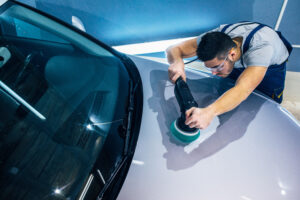
Car Detailing Massachusetts

Most drivers should detail their car 2–4 times per year. That usually means a professional detail every 3–6 months, depending on how much you drive and how tough the conditions are. For Massachusetts drivers especially, that schedule helps protect against road salt in the winter, humidity in the summer, and daily wear year-round.

Here’s a simple breakdown:

Daily Drivers / Commuter Cars: every 3–4 months
Family Cars (kids, snacks, sports, pets): every 2–3 months
Weekend or Occasionally Driven Cars: every 6 months
Seasonal Protection: a winter detail and a spring refresh are highly recommended

A professional detail goes beyond a basic car wash. It removes deep dirt, protects your paint, refreshes your interior, and helps your car stay cleaner longer — which means less effort for you between visits.

But this is just the starting point. The “right” detailing schedule depends on how you actually use your car, which we’ll explain next.

How Your Driving Habits Affect How Often You Should Detail

How often you should detail your car isn’t the same for everyone. Two cars of the same age can look completely different depending on how they’re used. Your daily routine, how much you drive, and what your vehicle goes through all play a major role in how frequently it needs professional detailing.

If you drive long distances, sit in traffic daily, or commute on highways, your car is constantly exposed to dirt, brake dust, road grime, and environmental contamination. Family vehicles tend to wear down faster too — snacks, spills, car seats, pet hair, fingerprints, and constant use take a toll on the interior. On the other hand, cars that are used occasionally or kept in a garage usually need detailing less often.

In short:

  • The more you drive, the more often you should detail

  • Busy family vehicles need more frequent interior care

  • Long commutes and highway driving increase contamination buildup

  • Garage-kept or weekend vehicles can go longer between details

Understanding your lifestyle helps you choose a detailing schedule that actually fits your real-world driving instead of a generic recommendation.

How Massachusetts Weather Changes How Often You Should Detail Your Car

Where you live has a huge impact on how often you should detail your car, and Massachusetts is one of the toughest environments for vehicles. Between snowy winters, salty roads, humid summers, ocean air, and everything in between, cars here need more protection than vehicles in mild climates.

Winter is especially hard on vehicles. Road salt, sand, and snow buildup can damage paint, corrode metal, stain carpets, and speed up wear on both the exterior and interior. In the warmer months, sunlight, UV exposure, pollen, dust, bugs, and coastal moisture can fade paint, damage interiors, and make glass hazy or dirty quickly.

That’s why many Massachusetts drivers benefit from a seasonal detailing plan:

  • A pre-winter or early winter detail to protect against salt and harsh weather

  • A spring detail to remove salt, grime, and buildup after winter

  • Additional details throughout the year to keep the vehicle clean, protected, and looking newer longer

Regular detailing isn’t just about keeping your car pretty in New England. It helps preserve your paint, protect your interior, and reduce long-term damage caused by weather and road conditions.

Great—here’s the next section, clear and practical:

Signs It’s Time to Detail Your Car (Even If You Didn’t Plan To)

Even if you are not following a set detailing schedule, your car will usually “tell” you when it needs attention. Certain signs indicate dirt, contamination, and wear have built up enough that a professional detail will make a noticeable difference.

Common signs it is time to detail your car include:

  • The paint feels rough instead of smooth when you run your hand over it

  • The interior has lingering odors, stains, or visible dirt

  • The steering wheel, buttons, or center console feel sticky or grimy

  • The windshield has glare or haze that won’t wipe away easily

  • Floor mats and carpets look worn down or heavily soiled

  • Pet hair, sand, crumbs, or dust seem impossible to keep up with

  • Your car still looks dull right after washing it

If several of these sound familiar, your car is past the point of just needing a quick wash. A professional detail can reset your vehicle, make it easier to maintain, and help prevent long-term damage.

Professional Detailing vs. a Basic Car Wash: Why It Matters

Many drivers assume that running their car through a basic wash is “good enough,” but a regular car wash and a professional detail are two very different things. A standard wash mainly focuses on removing loose dirt from the exterior. It may make your car look cleaner for the moment, but it does not deeply clean, protect, or preserve the vehicle the way detailing does.

Professional detailing goes much further. It targets the buildup that regular washes miss, such as embedded contaminants, brake dust, road film, food spills, pet hair, interior grime, and surface oxidation. Detailing also focuses on protection, not just cleaning. Protective treatments help prevent future damage, make your car easier to maintain, and keep it looking newer longer.

Here is the simplest way to look at it:

  • A basic car wash is short-term cleanliness

  • Professional detailing is long-term care and protection

If you want your vehicle to stay clean, maintain value, and age slower, detailing should be part of your maintenance routine—not an occasional luxury.

Premium Car Detailing Massachusetts

Frequently Asked Questions About How Often to Detail Your Car

How often should the average driver detail their car?

Most drivers benefit from a professional detail every 3–6 months, or about 2–4 times per year. This keeps your paint protected, your interior fresh, and your car easier to maintain.

Do daily drivers need detailing more often?

Yes. If you drive to work daily, sit in traffic, or rack up miles regularly, your car is constantly exposed to dirt, grime, pollen, and contamination. Detailing every 3–4 months is usually recommended.

What about family cars, kids, or pets?

Family vehicles almost always need more frequent detailing. Food, spills, car seats, sports gear, and pet hair wear interiors down quickly. Detailing every 2–3 months keeps the interior clean, sanitary, and protected.

Does Massachusetts weather mean I should detail more often?

Absolutely. Road salt, snow, humidity, rain, and seasonal buildup are tough on vehicles. A winter detail for protection and a spring refresh are highly recommended, along with maintenance details throughout the year.

Is detailing just cosmetic, or does it actually protect my car?

Detailing is absolutely protective. It helps preserve your paint, prevents sun fading, protects interior materials, reduces long-term damage, and keeps your car in better shape over time.

If I already wash my car, do I still need detailing?

Yes. A regular car wash removes surface dirt, but it doesn’t deep clean, remove embedded contamination, restore finishes, or apply long-lasting protection the way professional detailing does.

Can regular detailing help my car keep its value?

Definitely. A well-maintained vehicle with clean paint, a fresh interior, and proper protection not only looks better but typically holds value better and is more appealing when selling or trading in.

How do I know it’s time to detail?

If your car still looks dull after washing, your interior feels sticky or dirty, your windshield has haze or glare, or your paint feels rough when you touch it — it is time for a detail.

Final Thoughts: How Often You Should Detail Your Car Comes Down to Real Life

There is no one-size-fits-all answer to how often you should detail your car. The right schedule depends on how much you drive, who rides in your car, and the conditions your vehicle faces every day. In Massachusetts, vehicles deal with harsh winters, salty roads, humidity, coastal air, and busy daily driving — which means most cars benefit from detailing multiple times per year.

Regular detailing is more than a cosmetic upgrade. It helps:

  • protect your paint

  • preserve your interior

  • improve your driving experience

  • slow down wear and tear

  • maintain your vehicle’s value

Whether you drive your car daily, run a busy family vehicle, or simply want your car to look as good as it can for as long as possible, staying consistent with detailing makes a real difference. A clean, protected car doesn’t just look better — it lasts longer, feels newer, and is easier to maintain over time.

Premium Car Detailing Rockland MA

Ready to Book Your Next Detail?

If you want your car to stay cleaner, shine longer, and look newer over time, we’re here to help. Professional detailing keeps your vehicle protected, comfortable, and well cared for — no matter how much life happens inside it.

Book your detailing appointment today.
Proudly serving Rockland, the South Shore, and surrounding Massachusetts areas.

Share This Post

Facebook
Twitter
LinkedIn
Contact Us

Phone

(781) 347-5321

Service Areas

Massachusetts – including Boston, Worcester, Springfield, Bridgewater, Weymouth, and surrounding areas

Follow Us
Get In Touch