
You just paid to have your windows tinted.
You get in the car, look closely at the glass, and suddenly you’re noticing bubbles, tiny dots, hazy areas, or an edge that doesn’t look quite how you expected.
Now you’re wondering:
Is this normal while window tint cures, or did I get a bad window tint installation?
Not every imperfection immediately after installation means something went wrong. Window tint needs time to dry and cure, and its appearance during that process can be different from the finished result.
However, certain issues can indicate poor installation, contamination, damaged film, or a problem that isn’t likely to disappear with time.
Here’s how to tell the difference.
What Does a Bad Window Tint Job Look Like?
A poor window tint installation can show up in several ways.
Potential warning signs include:
- Excessive or persistent bubbling
- Dirt, hair, or debris trapped beneath the film
- Peeling or lifting edges
- Large or inconsistent gaps around the film
- Creases or wrinkles
- Visible cuts or damage to the film
- Scratches
- Film that doesn’t properly cover the intended area
- Sections that begin separating from the glass
The important word here is persistent.
Freshly installed window tint can look imperfect while moisture evaporates and the film cures.
That’s why you shouldn’t judge a new tint job five minutes after installation.
Are Bubbles Normal After Window Tinting?
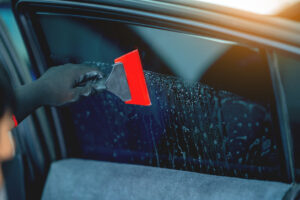
Some temporary moisture pockets or a slightly uneven appearance can be normal immediately after installation.
Window film is commonly installed using a solution that helps position the film against the glass.
Moisture remaining between the film and glass needs time to evaporate.
During that period, you may notice small pockets or a slightly hazy appearance.
Those aren’t necessarily the same thing as the bubbles you see in old, failing tint.
If bubbles remain well beyond the expected curing period, become worse, or appear to contain air or contamination rather than moisture, it’s worth contacting your installer.
How Long Should You Wait Before Deciding Your Tint Is Bad?
Give the film time to cure.
Exactly how long that takes can vary based on the specific film, installation conditions, temperature, sunlight, humidity, and other factors.
Massachusetts weather can make this especially variable.
A vehicle tinted during warm, sunny weather may behave differently from one tinted during a cold Massachusetts winter.
Your installer should tell you what curing time to expect for the film used on your vehicle.
If you’re still seeing significant problems after that expected period, reach out rather than continuing to wait indefinitely.
Our guide to window tint curing time explains what Massachusetts drivers can expect while new film dries.
Is It Normal for New Window Tint to Look Hazy?
Some haziness can be normal while new tint is curing.
Residual moisture between the glass and film can temporarily affect clarity.
As the film cures, that appearance should generally improve.
What you don’t want is persistent cloudiness that doesn’t improve after the expected curing period.
If the film continues to look unusually cloudy, distorted, or difficult to see through, have the installation evaluated.
Is It Normal to See Tiny Dots Under New Window Tint?
This depends on what the dots actually are.
Temporary moisture can create small visual imperfections during curing.
But contamination is different.
Dust, hair, fibers, or other debris trapped between the film and glass generally won’t evaporate.
A professional installation should begin with careful glass preparation because anything left on the surface can potentially become trapped beneath the film.
One microscopic speck doesn’t necessarily mean the entire installation is a disaster.
But widespread contamination or highly visible debris may indicate a preparation or installation issue.
Should There Be Gaps Around Window Tint?
Automotive window film needs to be properly fitted to the glass, but the exact appearance can vary depending on the window and installation technique.
A small, consistent edge may be normal on certain roll-down windows.
What may be more concerning is an obviously uneven installation — for example, a large gap on one side and almost none on the other.
If you can clearly see that the film is crooked or substantial portions of the intended glass area weren’t covered, ask the installer to inspect it.
Is Peeling Normal on Brand-New Window Tint?
New tint shouldn’t simply begin peeling away from the glass.
If an edge is noticeably lifting, don’t start pulling on it.
You could turn a small problem into a much larger one.
Contact the installer instead.
Peeling can happen for several reasons, and we’ve covered them more thoroughly in our guide to why window tint peels around the edges.
What About Creases or Wrinkles in New Tint?
Creases are different from temporary moisture.
If the film has been physically folded or creased, that line may not simply disappear because you gave the tint more time to cure.
The same goes for significant wrinkles or distorted sections of film.
If something looks like actual physical damage rather than moisture beneath the film, document it and contact the installer.
Can New Window Tint Have Scratches?
Window film can be scratched.
Sometimes scratches happen after installation from rings, seat belt buckles, pets, improper cleaning materials, or debris.
But if you notice obvious scratches immediately after receiving the vehicle, take photos and contact the installer.
Avoid trying to polish the scratches yourself.
Products designed for bare automotive glass aren’t necessarily appropriate for window film and could make the problem worse.
Our guide on what causes window tint scratches and whether they can be fixed goes deeper into protecting tinted glass.
What If the Tint Starts Bubbling After a Few Months?
That’s different from seeing temporary moisture immediately after installation.
If tint initially looked good and then begins developing bubbles later, the film or adhesive may be experiencing a different issue.
Age, film quality, installation, and other factors can potentially contribute to tint failure.
If you’re dealing with persistent bubbles in established tint, read our guide on why window tint bubbles and when it may need replacement.
Should You Roll Your Windows Down to Test the Tint?
Please don’t test your brand-new tint this way.
Your installer may tell you to keep your windows rolled up for a period after installation while the film begins curing.
Rolling them down too soon could potentially interfere with the film before it has properly set.
Follow the aftercare instructions you were given.
We’ve also created a full guide explaining when you can roll your windows down after tinting if you’re unsure.
Should You Try to Fix Bad Window Tint Yourself?
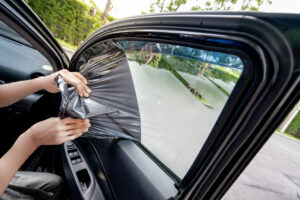
Usually, your first move should be contacting the installer.
Don’t start popping bubbles, cutting edges, peeling corners, adding glue, scraping the glass, or trying TikTok hacks on brand-new film.
You may turn something that could have been easily evaluated into actual damage.
Take clear photos of what you’re seeing and contact the company that performed the installation.
Give them an opportunity to determine whether you’re looking at normal curing or an issue that needs correction.
Can a Bad Tint Job Be Fixed Without Replacing the Film?
Sometimes an installer may be able to address a minor issue, but not every problem can be repaired without replacing the affected film.
If there is significant contamination, a permanent crease, damaged film, severe misalignment, or another major defect, replacing the film on that window may provide the cleaner result.
That doesn’t necessarily mean the entire vehicle needs to be re-tinted.
The appropriate solution depends on the specific problem.
How Can You Avoid a Bad Window Tint Installation?
Start by choosing your installer carefully.
Don’t make your decision based entirely on who offers the lowest price.
Ask what type of automotive film is being installed, what you should expect during the curing process, what aftercare is required, and what happens if you notice an installation issue.
A good installer should be able to explain the process rather than leaving you to Google every bubble you see afterward.
You should also follow the aftercare instructions you’re given.
Even a quality installation needs proper curing and care.
Professional Mobile Window Tinting in Massachusetts
A professional tint job should look clean, consistent, and properly fitted once the film has finished curing.
At Massachusetts Car Detail, we provide professional mobile window tinting for qualifying customers throughout Massachusetts, making it easier to have your vehicle tinted without spending part of your day sitting at a shop.
We can help you understand your film options, what to expect after installation, and how to properly care for your new tint while it cures.
And if you’re dealing with existing tint that’s bubbling, peeling, scratched, faded, or simply poorly installed, we can help you evaluate your options for removal and replacement.
Contact Massachusetts Car Detail today to learn more about professional mobile window tinting in Massachusetts.